


Bus-and-walking excursion
11 hours
Excursion: Forgotten Castles of Zakarpattia
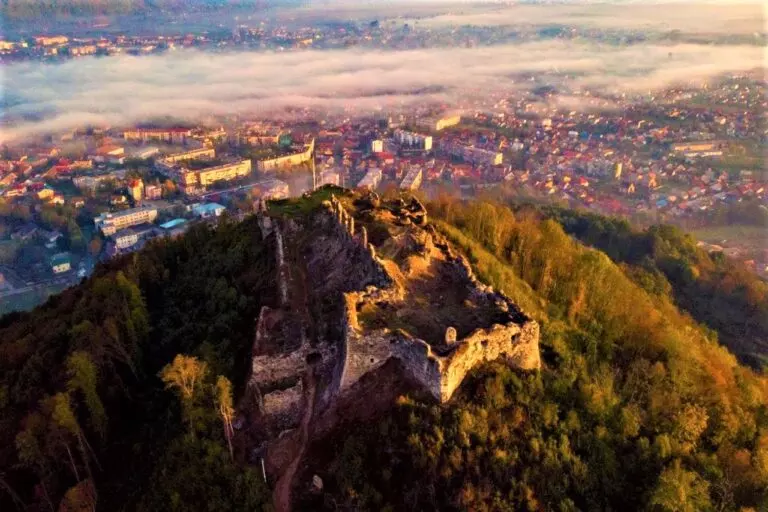
Ruins of medieval strongholds: Khust Castle and Kankiv Monastery.
Khust Castle • Nyalab Castle • Kankiv Castle • Vynohradiv
Excursion to Vynohradiv - the Royal Town
The price includes:
Paid separately:
We invite you on a vivid and atmospheric excursion to Vynohradiv (Sevliush) - a town with a royal history, wine-making traditions and a special character that is impossible to mistake for anywhere else.
This is a journey where history comes alive, nature inspires, and the flavours of Zakarpattia leave a pleasant aftertaste for a long time to come 🍷
The Vynohradiv area is a land of Transylvanian princes, barons, salt routes and ancient legends. It was here that the Salt Route ran, along which salt from Solotvyno reached Europe. The specially devised programme «Vynohradiv - the Royal Town of Zakarpattia» will reveal to you a little-known but extraordinarily fascinating chapter of our region.
💛 This excursion is the ideal choice if you want to see the non-touristy Zakarpattia, feel its depth, taste authentic products and be filled with new emotions.
👉 Book your places in advance and discover royal Vynohradiv!
🏛 Old Vynohradiv - the Perényi Palace, churches, monasteries, atmospheric squares, bronze monuments and wine legends
🐃 A buffalo farm - a tour of the farm, meeting the buffalo and a tasting of natural products made from the milk of black buffalo cows, including real mozzarella
⛪ Chetfalva and Bene - fortified churches, the tallest wooden bell tower in Zakarpattia and living history of the 14th-18th centuries
🍷 A wine tasting - the House of Wine of Mykhailo Polychko’s family , wines with the character of Zakarpattia!
📍 Departure from: Uzhhorod/Mukachevo/Berehove
📅 Day of the tour: Friday
Following the ancient Salt Road, along which ox-drawn wagon trains carried salt mined at the Solotvyno diggings to Europe, we make our way to the royal town of Nodsyulyush, or Sevliush (Vynohradiv), the centre of Ugocsa county. The route begins in Uzhhorod and runs through the mountains, the Carpathian foothills and the plain of the Tysa valley.
The first stop is the Berezynka arboretum, which never fails to astonish visitors with its huge variety of exotic plants. Getting to know the culture and daily life of the peoples of Transcarpathia, we stop in the village of Velyka Kopania, where for reasons no one can explain more twins are born than anywhere else in Ukraine. Locals put this wonder of nature down to the water of the Kopania spring: according to local belief, anyone who drinks from it will have no more trouble conceiving. Scientists, for their part, have confirmed that thanks to its high silver content and the balance of its other elements, the spring water is considered one of the purest in Ukraine.
Next comes a stop in the Chorna Hora (Black Mountain) nature reserve, on whose slopes stands the ancient Kankiv castle (11th-17th c.). Built in the Middle Ages, it towered over the town and guarded the peace of Vynohradiv. The old name of this royal town is Nodsyulyush (Nagyszolos), which in Hungarian means literally ‘great grape’. Set in a remarkable location, the town is reckoned the warmest part of Transcarpathia - the first grape harvest ripens here, and it was this unique climate that laid the foundation for centuries of prosperity. And although Vynohradiv today is a small district town, the richness and monumentality of its old architecture speak of its former grandeur.
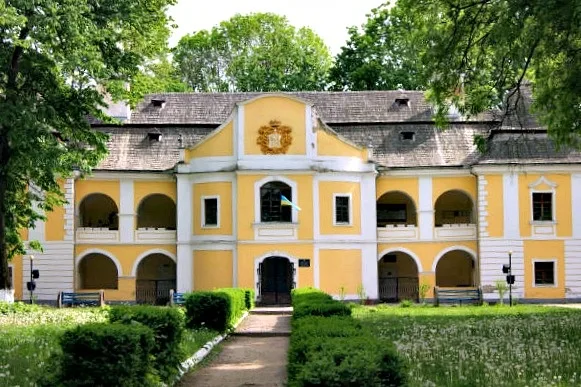
On the town tour we shall see the palace of the baronial Perenyi family (17th c.), the Roman Catholic Church of the Ascension (13th c.) and the Franciscan monastery (14th c.). The town centre is a pleasant surprise with its original bronze sculptures ‘The Winemaker’ and ‘The Girl Treading Grapes’, put up by the people of Vynohradiv themselves - they capture the local colour perfectly and make a good backdrop for your photographs.
On the edge of the town is the only buffalo farm in Ukraine, working to restore the population of these remarkable animals. In the pen you can watch the buffaloes tucking into hay and get to know them better, for every buffalo cow is a personality with a temper of her own - wilful one moment, friendly the next. The farm has its own small dairy, where a variety of eco-friendly products are made from this rare and wholesome milk, and you will taste them.
Driving along the Tysa river, whose channel forms the state border with Hungary, we discover the interesting Hungarian village of Vylok, where an obelisk commemorates the Hungarian nation’s striving for freedom. In the village of Chetfolvo, first mentioned in 1260, we shall see the tallest wooden bell tower in Transcarpathia (32 m) and the old Reformed church built in the 14th century. From the bell tower, which looks more like the keep of a medieval castle, you will see the boundless expanse of Hungarian Pannonia - the state border with Hungary is less than a kilometre away.
At the entrance to the village of Bene we are met by a working Protestant church which, built in the 14th century, also served as a defensive structure. It has lost none of its former grandeur and still enchants with its strength, elegance and originality. The whole area around the village is planted with fine vineyards, and the winemakers of Bene have more than once taken prizes at wine festivals both here and in neighbouring Hungary. The village, once home to many Italian settlers, is considered one of the warmest places in Transcarpathia - something reflected in its very name, for in Italian ‘good’ is BENE!
The way back runs through the Berehovo country, where we continue our acquaintance with Hungarian culture: the town of Berehovo, the castle ruins in the villages of Kvasovo and Borzhava, and the ancient gold mines in the village of Muzhiievo.
 4.9
· 700+ reviews
4.9
· 700+ reviews
“Були з сином 31.10 на екскурсії Виноградів. Дуже цікава програма:спочатку буйволина ферма. Там нам розказали про буйволів, показали їх на пасовищ і провели дегустацію продукції з буйволиного молока. Було дуже цікаво та смачно. Потім поїхали прогулятись містом Виноградів-маленьке та охайне місто. Поблизу нього відвідали руїни старого замку на горі з гарним краєвидами на місто. Обідали в кафе-готують смачно. Потім була екскурсія до винного підвалу та дегустація вин,дітям-виноградний сік. Дуже смачна продукція, яку можна було придбати. Ціни доступні-від 150 гривень за пляшку вина. Все це супроводжувала дуже гарна погода, цікаво розказувала екскурсовод Алла, та спритний водій. Дуже цікаво провели день. Дякую, Прокарпати!”
Read on Google
“Вдячні туроператору Про Карпати за чудові екскурсії. Особлива подяка екскурсоводу Аллі за професіоналізм, відмінну організацію екскурсій, історичний та краєзнавчий зміст екскурсій та чуйне відношення до туристів. Мріємо знов повернутись у Закарпаття. Туристи з Харкова Олена і Неоніла”
Read on Google
“Брала тут не перший раз екскурсію, останній раз 3 дні тому, була екскурсія в Берегове та Виноградів і ще купа цікавинок по дорозі, все сподобалось. Окремо дякую гіду Сергію за такі цікаві оповіді! Як буду ще в Ужгороді то обов'язково звернусь сюди ще по нові враження!)”
Read on Google
October
November
None of these dates work for you?
We'll arrange a private trip on a day that suits you - for a couple, a family or a group of friends.
You can ask our manager

Ruins of medieval strongholds: Khust Castle and Kankiv Monastery.
Khust Castle • Nyalab Castle • Kankiv Castle • Vynohradiv

The only zoo in the Lviv region, with hundreds of animals and a dolphinarium show.
Limpopo Zoo • Oscar Dolphinarium
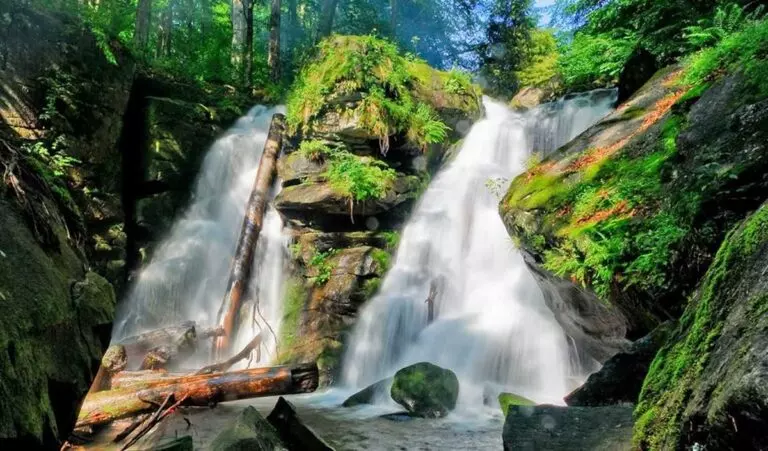
A hike through a mountain valley to the Voievodyn Waterfall, 8 km.
Voievodyn Waterfall • Turia Poliana
Get in touch to pick a tour and get a consultation