

Transcarpathian Cuisine - Ukraine’s Gastronomic Marvel

Hungarian and Czech Transcarpathian Cuisine
To try Romanian tokan, Slovak strapachka or Hungarian bograch, there is no need to travel far abroad. You can savour the whole Carpathian palette of flavours during our excursions across Transcarpathia amid the wondrous nature of the Carpathians, with a glass of aromatic Transcarpathian wine.
A curious paradox: Transcarpathian cuisine is unique, above all, because its dishes are prepared from simple local produce. From whatever always grew in the hostess’s garden, most often potatoes, beans and maize. If it’s meat - then only from home-reared hens, piglets and calves; if it’s vegetables - then exclusively organic ones, grown with love and without chemicals.
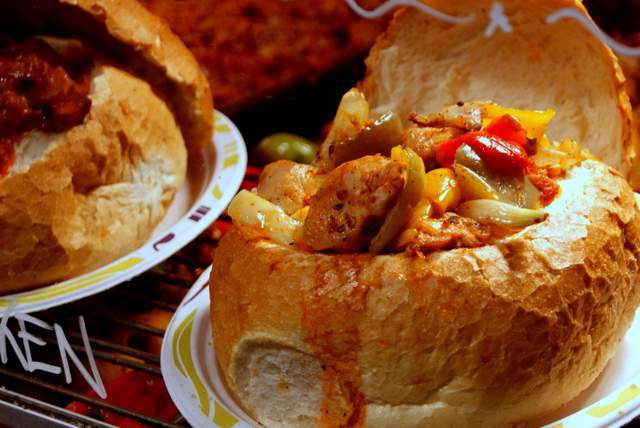
It’s worth beginning your culinary journey with the Hungarian element of Transcarpathian cuisine. The lion’s share of Transcarpathian dishes are Hungarian in origin. Among the seasonings of every Transcarpathian hostess you are sure to find such a spice as paprika (ground red pepper). Paprika is greatly loved here and generously added to almost every dish. You can sample the Transcarpathian-Hungarian range of flavours on an excursion to Berehove and Kosyno. After bathing in the healing thermal waters and strolling along the old Hungarian streets, your appetite is well and truly whetted! Gourmets will make many a gastronomic discovery here, tasting perkelt, bograch-goulash, rakott krumpli, tarhonya, loci liver, csirke-paprikash, bab-leves and bundas-kenyer.
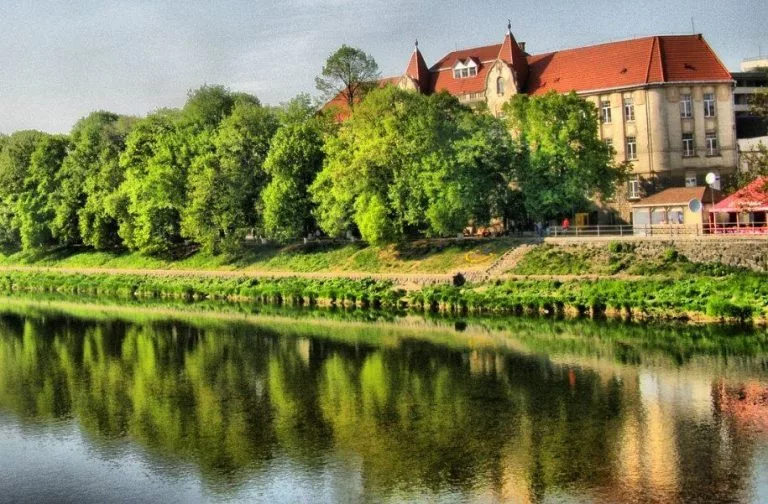
The hearty dishes and lusciously sweet desserts of Czech cuisine are best savoured in Uzhhorod. The tasting is preceded by an unforgettable stroll along the town’s old streets, in whose architecture, art and culture the Czechs left a significant mark. We recommend trying Szeged goulash and, as a side dish, ordering knedliky - the favourite dish of the good soldier Svejk.
From their neighbour - Slovakia, Transcarpathian hostesses adopted sweet and savoury dishes made from flour. These are strapachky, karbonatky, buchty and dzhadky. The dishes of Polish cuisine are less common in Transcarpathia; even so, appetising cured sausages are still made here, along with Polish-style bigos (stewed cabbage with meat) and the thick soup «flaki».
Transcarpathian Eco-Cheese, Wine and Frogs’ Legs
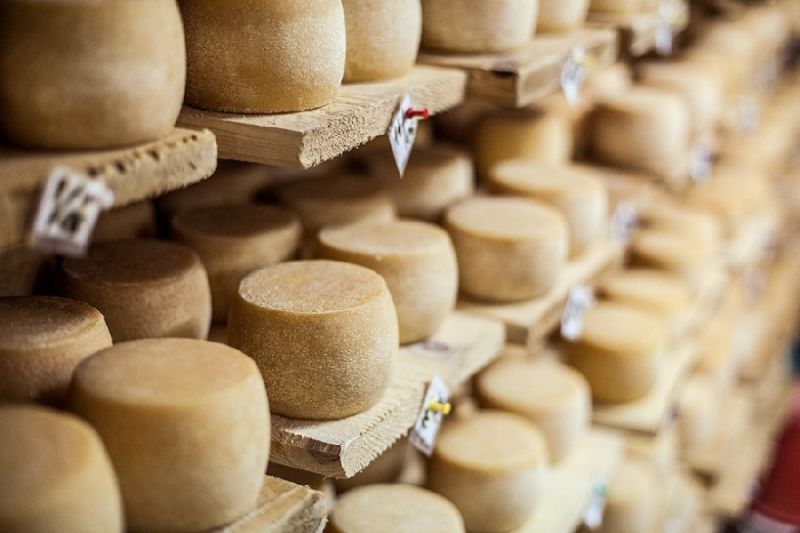
By choosing an excursion to Lumshory, you will not only «stew» yourself in vats of mineral water and wander through the forest with its marvellous cascade of waterfalls, but will also get to try a full 15 unforgettable flavours of Transcarpathia at the best local ethno-gastronomic restaurant. Besides the traditional banosh, kremzlyky, pyknytsia, hurka, mashed beans and fire-baked potatoes, the tavern offers you a taste of the local exotic speciality - frogs’ legs (the frogs are gathered in this very area). Oh, and don’t forget to try the slyvovytsia - they say it is divine here!
Romanian, Roma, German and Jewish Cuisines of Transcarpathia
Among the most famous dishes of Romanian cuisine are tokan with sheep’s cheese - brynza, as well as palacsinta (pancakes), mamaliga and ciorba. Romanians mainly use various seasonings based on crushed dried herbs, which makes the flavour of a dish aromatic and rich.
In the cookbook of Transcarpathia a special place has been found for Jewish, German and even Roma cuisine. To round off your gastronomic route, try the hearty Transcarpathian-style cholent made of beans, pearl barley and meat, treat yourself to a Transcarpathian-German strudel or halushky, and be brave enough to try Roma-style cabbage rolls, mushroom machanka or tsyhany-pechenia.
Travelling around Transcarpathia, you feel as though you are stepping into the kitchens of different countries, and every district here has its own inimitable culinary speciality. One could talk for a very long time about the tastes and aromas of Transcarpathian cuisine. But there is only one piece of advice: come to Transcarpathia and eat nothing for three days beforehand! Enjoy your meal and your stay!